-
Individual counseling at LJCC focuses on each individual's personal concerns, challenges, and mental health in a confidential and supportive environment.
Using a variety of evidence-based treatments, from Cognitive-Behavioral Therapy to Person-Centered Therapy and beyond, one of our counselors will work with you to help you accomplish your unique goals.
In individual counseling, you’ll have the opportunity to explore your thoughts, feelings, and behaviors, develop coping strategies, learn more about yourself, and work towards personal growth and well-being with one of our clinicians.
-
Therapy involving both partners to address and explore issues within their relationship.
Couple's therapy aims to improve communication, resolve conflicts, strengthen emotional connections, and enhance intimacy and understanding between partners.
The therapist facilitates productive conversations, provides tools and techniques for healthier communication and conflict resolution, and helps couples work together towards building a more fulfilling and harmonious relationship.
-
Family Counseling involves working with families to improve communication, resolve conflicts, and strengthen relationships. In your family therapy sessions, a trained therapist will help your family explore underlying issues, identify patterns of behavior, and develop healthier ways of interacting with one another.
Family therapy can address a wide range of concerns, such as parenting conflicts, sibling rivalries, and generational conflicts.
By providing a safe and supportive environment for all family members to express their thoughts and feelings, family therapy aims to promote understanding, collaboration, and positive changes within the family system
-
We provide trauma therapy from a specialized therapist who is trained in treating trauma-related issues.
This therapy may include the use of Eye Movement Desensitization and Reprocessing (EMDR), a therapeutic technique that helps individuals process traumatic experiences and alleviate distressing symptoms.
EMDR involves a structured approach using bilateral stimulation, such as eye movements or taps, to help reprocess traumatic memories and promote healing.
With the guidance and expertise of a trauma counselor, individuals can safely and effectively work through their trauma or PTSD, reduce symptoms, and improve their psychological well-being.
-
We offer LGBTQ+ support by providing a safe and affirming space for individuals within the LGBTQ+ community to explore their identities, address mental health concerns, and work through interpersonal challenges.
Our therapists are trained to understand the unique experiences and needs of LGBTQ+ individuals, offering a culturally competent and inclusive approach to therapy.
Through a supportive and nonjudgmental therapeutic relationship, clients can explore issues related to coming out, gender identity, discrimination, minority stress, as well as work towards personal growth, acceptance, and self-empowerment.
Our LGBTQ+ support services aim to promote mental wellness, resilience, and a sense of belonging for individuals of all sexual orientations and gender identities.
-
If you’re Neurodivergent you may process information, experience emotions, or respond to social cues differently.
Challenges may arise due to societal expectations or environments that are not accommodating and recognizing neurodiversity promotes inclusion, self-understanding, and respect for individual differences.
We support neurodivergent individuals using person-centered and specialized approaches that focus on strengths, needs, and personal goals. Including coping strategies for managing stress, anxiety, sensory sensitivities, executive function difficulties, or emotional regulation. We aim to foster self-acceptance, emotional well-being, and practical skills while acknowledging that differences in cognition are natural and valuable.
Why choose Life Journey Counseling & Consulting?
Unique counselors for your unique needs
At Life Journey, we have a variety of counselors who offer different approaches, styles, and techniques. From person-centered to solution-focused, we strive to be provide the best services for your journey of growth.
Accessibility through tele-health
We recognize that transportation, travel time, and physical distance can be barriers to obtaining therapy. That's why we offer secure tele-health counseling to bring services to you, allowing you to join from the comfort of your home by video call.
Schedule flexibility
Complex schedules can make finding a consistent time for counseling difficult. To help this, our counselors have open availability from early mornings to late evenings.
New service offerings
We strive to update our services to meet the needs of our clients. This can be through the form of a new therapy group, providing documentation services, and more! Be sure to check our website for our new offerings.
Meet Our Clinicians
-
![Bryanna Vizcarra is a clinician who provides counseling to adults with anxiety, stress, and life transitions in Orlando, Florida, 32825. Accepting Insurances including Aetna, Blue Cross/ Blue Shield, Florida Blue, Cigna, and Anthem.]()
Bry Vizcarra, MA
Registered Mental Health Counselor Intern
*In-Person & Virtual* -
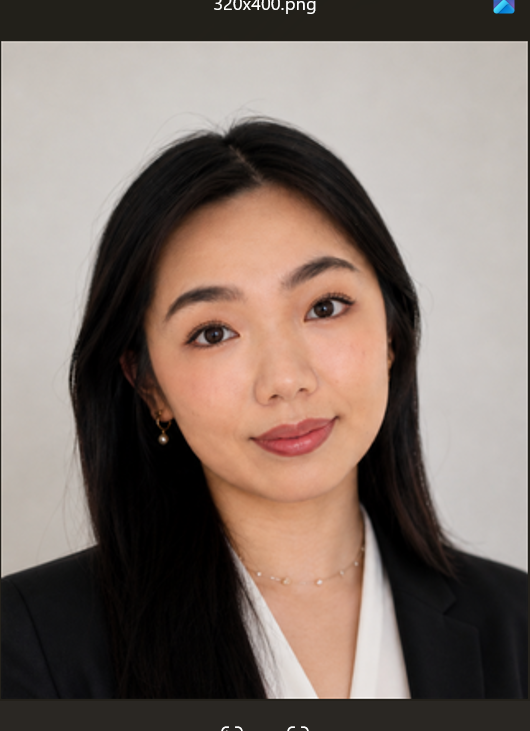
![Tammy Nguyen is a clinician who provides counseling to children, adolescents, and adults with neurodivergence in Orlando, Florida, 32825. Accepting Insurances including Aetna, Blue Cross/ Blue Shield, Florida Blue, Cigna, and Anthem.]()
Tammy Nguyen, MS
Registered Mental Health Counselor Intern
*In-Person & Virtual* -
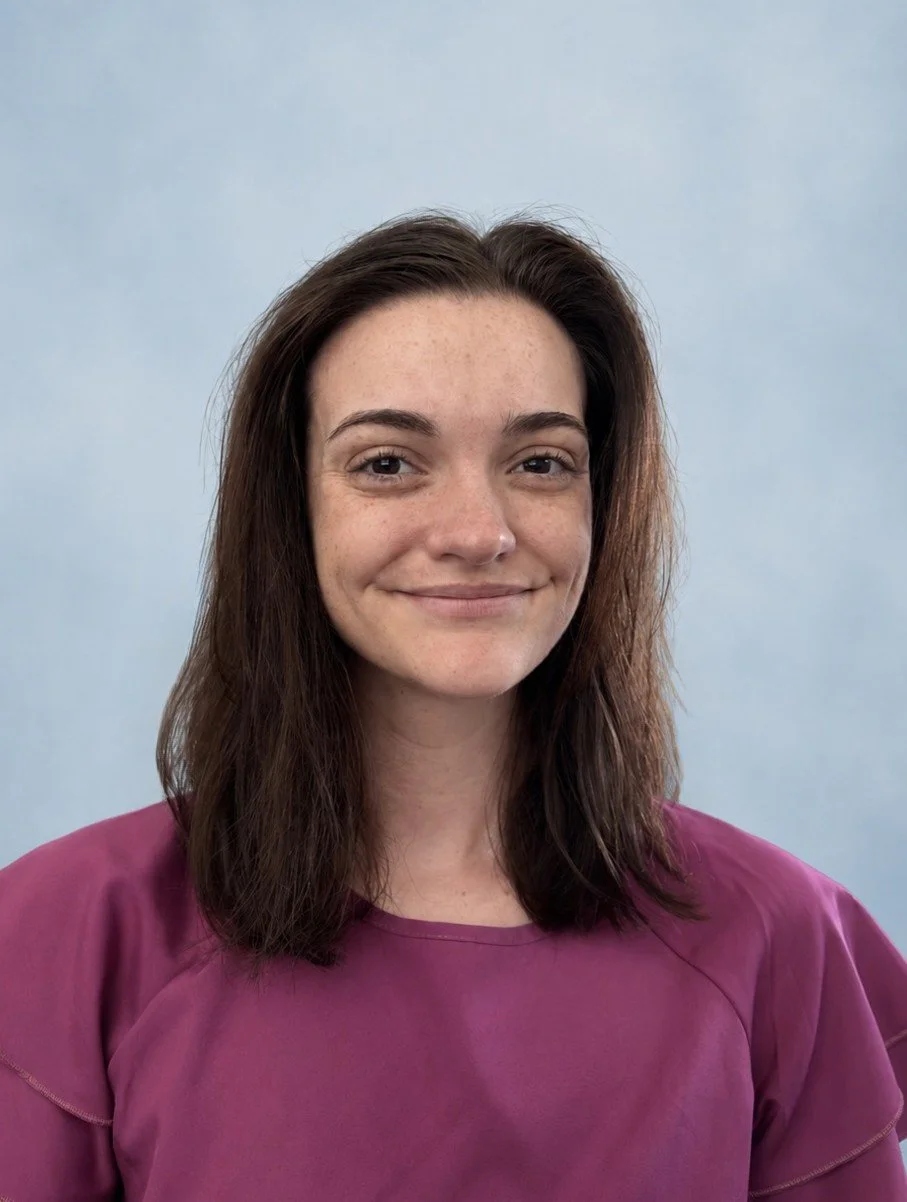
![Amanda Horton is a clinician who provides counseling to children, parents, and young adults with integrated play approaches in Orlando, Florida, 32825. Accepting Insurances including Aetna, Blue Cross/ Blue Shield, Florida Blue, Cigna, and Anthem.]()
Amanda Horton, MA
Registered Mental Health Counselor Intern
*In-Person & Virtual* -
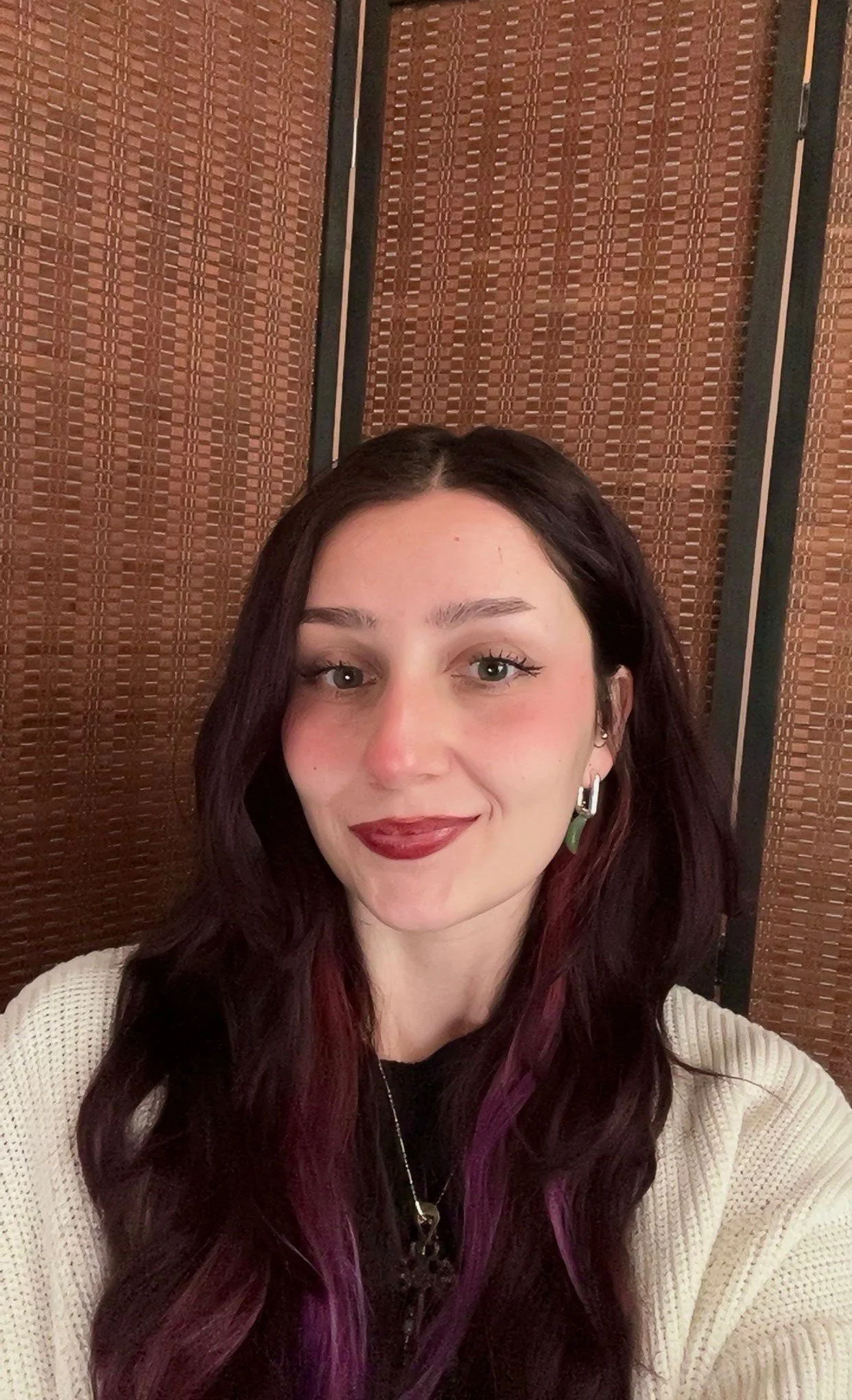
![Emily Eisele is a clinician who provides counseling to adolescents, adults, and couples in Orlando, Florida, 32825. Accepting Insurances including Aetna, Blue Cross/ Blue Shield, Florida Blue, Cigna, and Anthem.]()
Emily Eisele, MA
Registered Mental Health Counselor Intern
*In-Person & Virtual* -
![Cale Angelelli is an EMDR-trained clinician who provides counseling to individuals and couples in Orlando, Florida, 32825. Accepting Insurances including Aetna, Blue Cross/ Blue Shield, Florida Blue, Cigna, and Anthem.]()
Cale Angelelli, MA
Registered Mental Health Counselor Intern
*In-Person & Virtual* -
![Alyssa LeGrand is an affirming clinician who provides counseling to adults with a variety of topics in the state of Florida. Accepting Insurances including Aetna, Blue Cross/ Blue Shield, Florida Blue, Cigna, and Anthem.]()
Alyssa LeGrand, MA
Registered Mental Health Counselor Intern
*Virtual Only* -
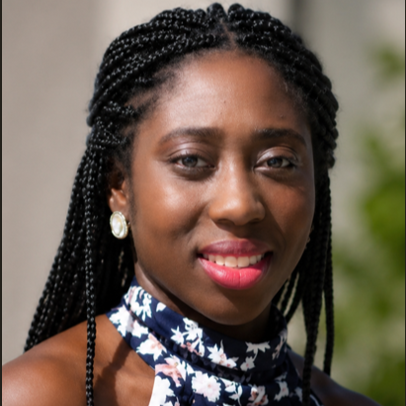
![Sharonda Paugh is a tele-health based counselor who provides counseling to adults, couples, and families with a variety of topics in the state of Florida. Accepting Insurances including Aetna, Blue Cross/ Blue Shield, Florida Blue, Cigna, and Anthem.]()
Sharonda Paugh, MA
Licensed Mental Health Counselor
*Virtual Only* -
![Sydney Gillis is a student intern counselor who works with adults, children, and adolescents at reduced cost in Orlando, Florida, 32825.]()
Sydney Gillis
UCF Student Intern
*In-Person & Virtual* -
![Nicole Cano is a student intern counselor who works with adults, children, and adolescents at reduced cost in Orlando, Florida, 32825.]()
Nicole Cano
UCF Student Intern
*In-Person & Virtual* -
![Aya Zabib is a student intern counselor who works with adults, children, and adolescents at reduced cost in Orlando, Florida, 32825.]()
Aya Zabib
UCF Student Intern
*In-Person & Virtual* -
![A licensed counselor therapist with years of experience and is a supervisor who owns a therapy office and works with family, couples, trauma, and depression in Orlando, Florida.]()
Sherry Mattos LMHC, QCS
Founder & Supervisor
*In-Person & Virtual*